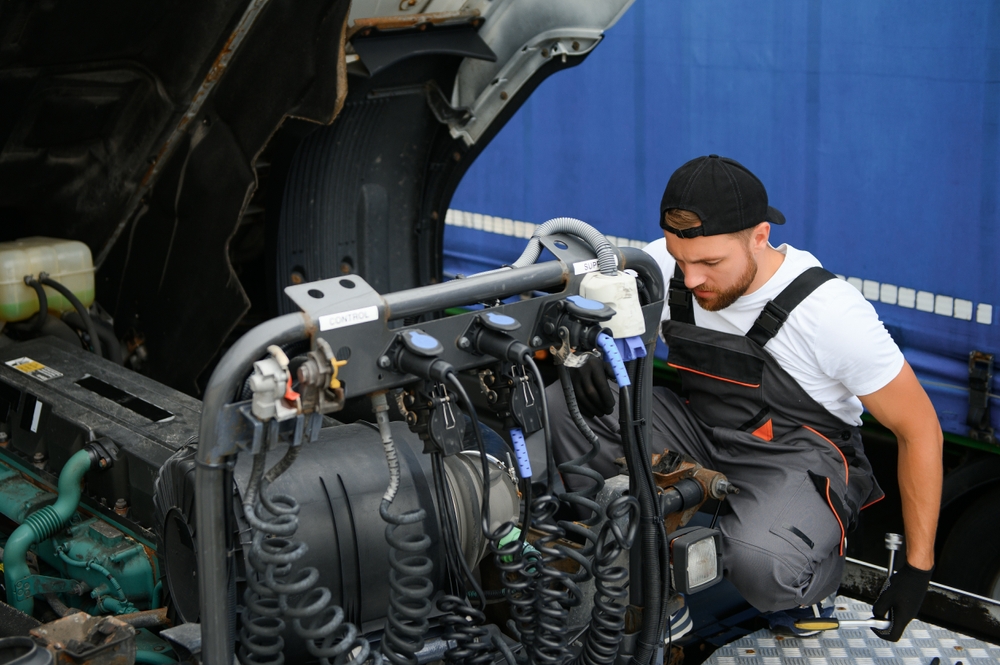
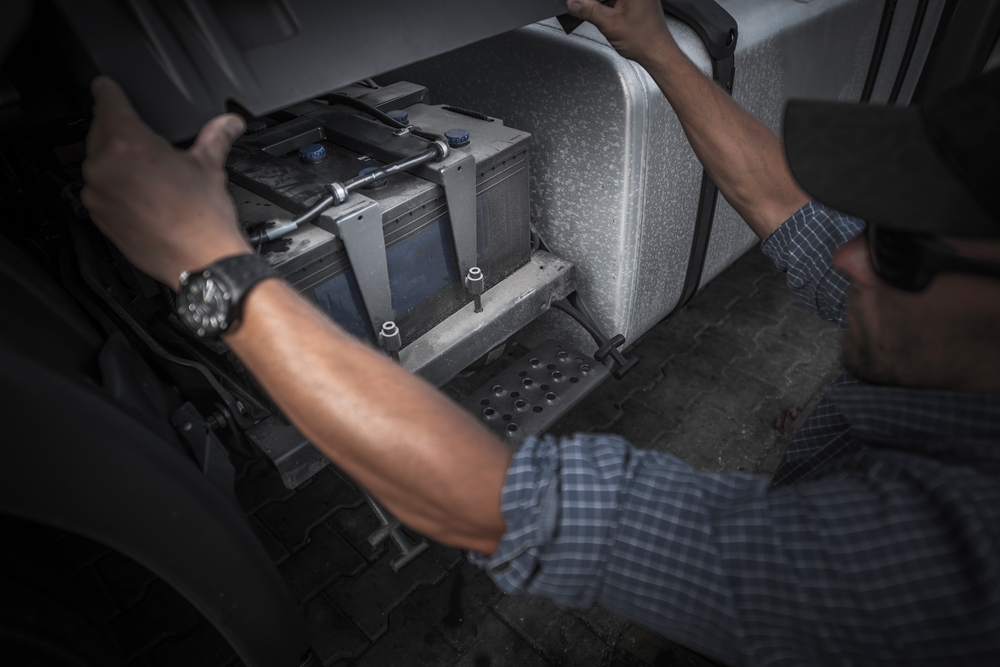
In today’s highly connected world, commercial trucks rely heavily on advanced computer systems to ensure smooth operation and compliance with regulations. These systems control everything from engine performance to fuel efficiency and emissions. However, like any technology, they can experience issues, making computer diagnostics a critical part of truck maintenance.
Why Computer Diagnostics Are Essential for Commercial Trucks
Computer diagnostics involve using specialized tools to identify and resolve issues in a truck’s electronic systems. These diagnostics help fleet owners save time and money by pinpointing problems before they escalate into costly repairs.
Benefits of Regular Diagnostics
Preventative Maintenance: Regular diagnostics can identify potential issues early, reducing the likelihood of breakdowns.
Improved Fuel Efficiency: Diagnostics can optimize engine performance, ensuring fuel is used efficiently.
Compliance Assurance: Diagnostics help ensure your truck meets regulatory standards for emissions and safety.
Understanding when to get computer diagnostics done in your commercial trucks is critical to maintaining their reliability and performance. Knowing the signs of potential issues can help fleet managers stay ahead of problems.
When to Get Computer Diagnostics Done in Your Commercial Trucks
Timing is everything when it comes to computer diagnostics. Regular maintenance schedules should include diagnostic checks, but there are also specific situations where they become essential.
Scheduled Maintenance Intervals
Every commercial truck manufacturer provides recommended intervals for maintenance. Including diagnostics in these routine checks ensures that any hidden issues are addressed promptly.
Warning Lights and Error Codes
Modern commercial trucks are equipped with dashboards that display warning lights and error codes. These indicators are your first line of defense against potential problems.
Check Engine Light: If this light comes on, it’s a clear sign that you need a diagnostic check.
Emission System Alerts: Alerts for the diesel particulate filter (DPF) or selective catalytic reduction (SCR) system signal the need for diagnostics.
Post-Breakdown Checks
After a breakdown, running diagnostics is essential to identify the root cause of the issue. This step ensures that the same problem doesn’t recur.
After Major Repairs
Whenever significant repairs are performed, such as replacing the engine control module (ECM) or transmission, a diagnostic check verifies that all systems are functioning correctly.
Common Commercial Truck Computer Issues to Avoid
Understanding common computer-related problems can help you avoid costly repairs and downtime. These issues often stem from wear and tear, environmental factors, or software glitches.
Faulty Sensors
Commercial trucks rely on sensors to monitor engine performance, fuel efficiency, and emissions. Faulty sensors can cause a range of issues, including:
Incorrect fuel-air mixture
Reduced fuel efficiency
Difficulty starting the engine
Regular diagnostics can identify sensor malfunctions before they affect vehicle performance.
Electrical System Failures
The electrical system in a truck powers its computer modules. Problems such as corroded connections or dead batteries can lead to:
Unresponsive dashboard displays
Inaccurate data readings
System-wide malfunctions
Running diagnostics can pinpoint the exact location of electrical issues.
Software Glitches
Like any computerized system, truck computers can experience software bugs. These glitches may cause:
Random error codes
Unexpected shutdowns
Inconsistent system behavior
Updating the software or recalibrating the system through diagnostics often resolves these problems.
Exhaust and Emission System Failures
Emission systems are particularly prone to problems due to the complexity of modern regulations. Common issues include:
Clogged diesel particulate filters
Malfunctioning selective catalytic reduction systems
Faulty oxygen sensors
Ignoring these problems can lead to expensive fines and non-compliance.
Tools and Techniques for Commercial Truck Diagnostics
Understanding the tools and techniques used in diagnostics can help you appreciate the value they bring to truck maintenance.
Diagnostic Scanners
These handheld or laptop-based tools connect to a truck’s onboard diagnostics (OBD) port to read error codes and system data. Popular diagnostic tools include:
JPRO Professional Diagnostic Software
TEXA Truck Diagnostic Systems
Snap-On ProLink Ultra
Data Analysis
Diagnostic tools analyze data from the truck’s systems, identifying patterns or anomalies that point to specific issues. For instance:
Fuel consumption trends can highlight injector problems.
Temperature irregularities can indicate cooling system failures.
Real-Time Monitoring
Fleet management systems often include real-time diagnostic capabilities. These systems allow managers to monitor truck performance remotely, identifying problems as they arise.
How to Ensure Accurate Diagnostics
Accurate diagnostics depend on proper tools and techniques, as well as knowledgeable technicians.
Choose the Right Tools
Investing in high-quality diagnostic tools ensures accurate readings and better problem-solving.
Train Your Technicians
Well-trained technicians can interpret diagnostic data more effectively, ensuring accurate and efficient repairs.
Follow Manufacturer Guidelines
Adhering to the truck manufacturer’s diagnostic procedures ensures compatibility and reliability.
The Cost of Neglecting Diagnostics
Failing to prioritize diagnostics can lead to significant financial and operational consequences.
Increased Repair Costs
Minor issues can escalate into major repairs if not addressed promptly. For example:
A clogged filter left unchecked can damage the engine.
A faulty sensor can lead to poor fuel efficiency over time.
Operational Downtime
Breakdowns due to neglected maintenance cause downtime, disrupting schedules and increasing costs.
Non-Compliance Penalties
Failure to maintain emissions systems can result in hefty fines and damage your company’s reputation.
Proactive Steps to Avoid Common Issues
Preventative measures can help you avoid the most common computer-related issues in commercial trucks.
Regular Maintenance
Stick to a consistent maintenance schedule that includes diagnostics. Preventative checks reduce the likelihood of unexpected problems.
Keep Software Updated
Ensure that the truck’s software is always up-to-date to avoid compatibility issues and glitches.
Protect Electrical Systems
Maintain clean and secure electrical connections to prevent power-related failures.
Train Drivers and Technicians
Educate drivers on recognizing early warning signs and train technicians to handle advanced diagnostics.
Conclusion
Running computer diagnostics for commercial trucks is a vital component of modern fleet management. By knowing when to get computer diagnostics done in your commercial trucks and understanding common commercial truck computer issues to avoid, fleet managers can save time, money, and operational headaches. Prioritizing diagnostics ensures that your trucks remain efficient, compliant, and ready for the road.
Need Trailer Repair Services in Las Vegas, NV?
Here at ERA Truck Repair, we’ve been proudly serving Las Vegas for over 20 years, delivering top-notch service with a commitment to excellence. Whether you need emergency roadside assistance any time of day or repairs during our regular shop hours, our experienced techs and managers are ready to help you get back on track swiftly and affordably. Plus, if you need to keep your load moving, we offer tractor, trailer, and straight truck rentals. Don’t hesitate to reach out to us—let’s keep your business rolling smoothly.
Owning a trailer comes with its own set of responsibilities, especially when it comes to ensuring its longevity and safety. Structural issues, if left unchecked, can lead to significant damage and costly repairs. Regular trailer upkeep and inspections are critical to maintaining your trailer in peak condition. In this guide, we delve into handling structural problems and share essential trailer maintenance tips to keep your equipment functional throughout the year.
Why Structural Integrity Matters
The structural integrity of your trailer is crucial for both safety and performance. A well-maintained trailer ensures:
Safety on the road: Preventing accidents caused by weak frames or damaged components.
Extended lifespan: Avoiding premature wear and tear.
Cost savings: Minimizing expensive repairs by addressing minor issues early.
Compliance: Adhering to road safety standards and regulations.
Understanding how to handle structural issues is the first step toward properly maintaining your trailers throughout the year.
Identifying Common Structural Problems
Before addressing structural issues, it is essential to recognize the signs of damage. Common trailer structural problems include:
Frame Corrosion
Corrosion is a prevalent issue for trailers, especially in regions with harsh weather or frequent road salt exposure. Rust weakens the frame, compromising the trailer’s ability to carry loads safely.
Signs of Frame Corrosion:
Visible rust patches on metal components
Flaking or peeling paint
Pitting or holes in the frame
Cracks and Bends in the Frame
Cracks and bends can occur due to overloading, improper weight distribution, or accidents. These issues directly impact the trailer’s stability.
Warning Indicators:
Visible cracks in the welds or joints
Uneven trailer alignment
Strange noises during transit
Suspension and Axle Damage
Suspension systems and axles bear the weight of your trailer and its load. Damage in these areas can lead to structural issues.
Symptoms to Watch For:
Sagging or leaning trailers
Uneven tire wear
Vibrations or instability during towing
Weakening of Fasteners and Connections
Loose or damaged bolts, screws, and welds can destabilize your trailer.
Red Flags:
Loose fasteners or missing components
Unusual rattling sounds
Gaps between connected parts
Trailer Maintenance Tips for Preventing Structural Issues
Properly maintaining your trailers throughout the year requires a proactive approach. Follow these trailer maintenance tips to reduce the risk of structural problems:
Regular Inspections
Conduct routine inspections to catch issues early.
Visual Checks: Inspect the frame, undercarriage, and suspension for visible signs of damage or corrosion.
Functional Tests: Test the brakes, lights, and hitch connections to ensure they are operating correctly.
Professional Inspections: Schedule an annual professional evaluation to uncover hidden problems.
Rust Prevention and Treatment
Preventing and treating rust can save your trailer from severe structural damage.
Clean Regularly: Wash your trailer to remove dirt, grime, and salt.
Apply Protective Coatings: Use rust-inhibiting sprays or paint to protect exposed metal.
Address Rust Early: Sand off rust patches and repaint them to prevent spread.
Weight Distribution
Improper weight distribution can strain your trailer’s frame and suspension.
Load Evenly: Ensure the weight is distributed evenly across the trailer.
Use Weight Distribution Hitches: These tools help balance the load and reduce stress on the frame.
Follow Load Capacity Guidelines: Never exceed the manufacturer’s weight limits.
Maintain Suspension and Axles
The suspension system and axles need regular care to function optimally.
Lubricate Moving Parts: Apply grease to joints and bearings to reduce wear.
Inspect Leaf Springs: Check for cracks, bends, or breaks in the leaf springs.
Check Axle Alignment: Misaligned axles can cause uneven tire wear and instability.
Steps to Address Structural Issues
If you notice structural problems, take immediate action to prevent further damage.
1. Diagnose the Issue
Begin with a thorough inspection to identify the root cause of the problem. Document the damages and note any patterns that might suggest recurring issues.
2. Perform Temporary Fixes
For minor issues, implement temporary solutions to prevent the problem from worsening:
Patch small cracks with epoxy or weld them temporarily.
Secure loose bolts to stabilize the structure.
Apply rust inhibitors to affected areas.
3. Seek Professional Repairs
For significant structural damage, consult a professional repair service. Experienced technicians can:
Reinforce weakened frames.
Replace damaged axles or suspension components.
Ensure the trailer meets safety standards.
4. Reevaluate Usage Practices
After repairs, assess your trailer usage to avoid repeating the same mistakes. Adjust loading practices, towing speeds, and maintenance schedules as needed.
Seasonal Trailer Maintenance
Properly maintaining your trailers throughout the year requires attention to seasonal changes. Each season presents unique challenges:
Winter Maintenance Tips
Winter weather can be harsh on your trailer, leading to corrosion and frozen components.
Wash the trailer frequently to remove road salt.
Store the trailer in a covered or enclosed area.
Use antifreeze solutions for hydraulic and brake systems.
Spring Maintenance Tips
Spring is the perfect time to inspect and prepare your trailer for heavy use.
Check for rust or damage accumulated during winter.
Test the brakes, lights, and hitch systems.
Perform a full suspension and axle inspection.
Summer Maintenance Tips
Heat and long-distance towing can strain your trailer.
Monitor tire pressure and check for wear.
Lubricate moving parts to reduce friction.
Ensure proper ventilation for enclosed trailers.
Fall Maintenance Tips
As temperatures drop, prepare your trailer for winter storage or reduced use.
Inspect the frame and treat any signs of rust.
Drain water tanks and pipes to prevent freezing.
Clean the trailer thoroughly before storing it.
When to Consider Trailer Replacement
Despite diligent maintenance, there may come a time when repairs are no longer cost-effective. Consider replacing your trailer if:
Structural damage is extensive and compromises safety.
Repair costs exceed the value of the trailer.
The trailer consistently fails to meet your needs.
Investing in a new trailer ensures reliability and often comes with modern features that enhance safety and performance.
Conclusion
Maintaining the structural integrity of your trailer is essential for safe and efficient operation. By recognizing common issues, following these trailer maintenance tips, and addressing problems promptly, you can ensure your trailer remains dependable throughout the year. Routine inspections, preventive measures, and timely repairs are key to extending your trailer’s lifespan and avoiding costly downtime. Whether you’re using your trailer for personal or professional purposes, a proactive approach to maintenance pays off in the long run.
Need Trailer Repair Services in Las Vegas, NV?
Here at ERA Truck Repair, we’ve been proudly serving Las Vegas for over 20 years, delivering top-notch service with a commitment to excellence. Whether you need emergency roadside assistance any time of day or repairs during our regular shop hours, our experienced techs and managers are ready to help you get back on track swiftly and affordably. Plus, if you need to keep your load moving, we offer tractor, trailer, and straight truck rentals. Don’t hesitate to reach out to us—let’s keep your business rolling smoothly.
Maintaining a trailer is essential for its longevity and safe operation. Whether you use your trailer for work, travel, or recreation, regular maintenance ensures reliability, efficiency, and safety on the road. Neglecting maintenance can lead to costly repairs, reduced lifespan, and dangerous situations while towing. This guide explores essential practices for keeping your trailer in optimal condition, focusing on maintaining proper trailer electronics and ensuring safe trailer operations.
Why Trailer Maintenance is Critical
Trailers are exposed to harsh conditions, including rough terrain, variable weather, and heavy loads. Over time, wear and tear can compromise their performance. Regular trailer maintenance helps identify and fix issues before they escalate, ensuring your trailer remains dependable and safe.
Key Benefits of Proper Maintenance
Safety: Well-maintained trailers reduce the risk of accidents caused by mechanical or electrical failures.
Cost-Effectiveness: Preventative care minimizes expensive repairs and replacements.
Longevity: Regular upkeep extends the life of your trailer.
Compliance: Ensuring your trailer meets legal and safety standards avoids fines and penalties.
Maintaining Proper Trailer Electronics
Trailer electronics are critical for safe and efficient towing. From lighting systems to braking mechanisms, maintaining proper trailer electronics ensures seamless communication between your tow vehicle and trailer.
Inspecting Electrical Connections
Electrical connections are the backbone of your trailer’s functionality. Regularly inspect the connectors for:
Corrosion: Moisture can corrode metal connectors, leading to poor conductivity.
Frayed Wires: Damaged wiring can result in electrical malfunctions.
Secure Fittings: Ensure connectors are tight and secure to prevent disconnections while towing.
Apply dielectric grease to connectors to protect them from moisture and enhance conductivity.
Checking the Lighting System
Trailer lights are essential for visibility and communication on the road. Regularly inspect:
Tail Lights: Verify that brake lights, turn signals, and reverse lights function correctly.
Reflectors: Clean reflectors to ensure they are visible, especially at night.
Bulbs: Replace burned-out bulbs promptly to maintain visibility and comply with legal requirements.
Invest in LED lights for better durability, brightness, and energy efficiency.
Maintaining the Brake Controller
The brake controller ensures synchronized braking between your trailer and tow vehicle. Proper maintenance includes:
Calibration: Periodically calibrate the brake controller for optimal performance.
Wiring: Inspect the wiring for damage or wear.
Settings: Adjust settings according to the trailer’s weight and load to avoid uneven braking.
Testing the Battery and Charging System
Trailers equipped with auxiliary batteries require regular checks to ensure reliability. Steps include:
Battery Inspection: Check for corrosion on terminals and ensure a secure connection.
Voltage Testing: Use a multimeter to test battery voltage and charge levels.
Charging System: Ensure the charging system delivers sufficient power to the battery during towing.
Troubleshooting Common Electrical Issues
Common issues include flickering lights, blown fuses, and non-responsive brakes. Address these problems by:
Checking for loose connections.
Replacing damaged wires or fuses.
Consulting a professional if issues persist.
Ensuring Safe Trailer Operations
Safety is paramount when operating a trailer. Proper maintenance goes beyond electronics, encompassing structural and mechanical aspects. Follow these guidelines to ensure safe trailer operations.
Inspecting Tires and Wheels
Tires are vital for stability and handling. Key maintenance practices include:
Tire Pressure: Check tire pressure regularly and inflate to the manufacturer’s specifications.
Tread Depth: Replace tires with worn or uneven tread.
Wheel Bearings: Grease wheel bearings periodically to prevent overheating and failure.
Examining the Hitch and Coupling Mechanism
The hitch connects your trailer to the tow vehicle. Ensure it is secure and functional by:
Inspecting for Wear: Look for cracks, rust, or other signs of damage.
Greasing Moving Parts: Lubricate the hitch to prevent stiffness and wear.
Testing Locking Mechanisms: Ensure the coupler securely locks onto the tow ball.
Maintaining the Suspension System
The suspension absorbs shocks and ensures smooth towing. Maintenance tasks include:
Inspecting Springs and Shocks: Replace damaged or worn components.
Lubricating Joints: Apply grease to suspension joints to reduce friction.
Checking Alignment: Misaligned suspension can cause uneven tire wear and instability.
Securing the Load
Properly securing your trailer’s load is crucial for safety. Tips for load security include:
Weight Distribution: Distribute weight evenly to maintain balance.
Tie-Downs: Use high-quality straps and chains to secure the load.
Overloading: Avoid exceeding the trailer’s weight capacity, which can strain components and reduce stability.
Seasonal Maintenance Considerations
Trailers often face varying conditions depending on the season. Tailor your maintenance routine to address seasonal challenges.
Winter Maintenance
Cold weather can affect your trailer’s performance. Prepare for winter by:
Anti-Rust Coating: Apply a protective coating to prevent rust.
Battery Care: Store batteries indoors when not in use to avoid freezing.
De-Icing: Remove ice and snow from lights, brakes, and connectors before towing.
Summer Maintenance
Heat and long trips during summer can strain your trailer. Key steps include:
Cooling System: Ensure the trailer’s brakes and bearings are adequately cooled.
Tire Monitoring: Check for overinflation and signs of heat-related wear.
Lubrication: Grease moving parts to prevent friction-induced damage.
The Role of Regular Inspections
Regular inspections are the foundation of proper trailer maintenance. Create a checklist to ensure all critical components are assessed, including:
Structural Integrity: Inspect the frame, floor, and walls for cracks or rust.
Lighting and Electronics: Test all electrical systems.
Mechanical Components: Examine brakes, axles, and suspension.
Safety Features: Verify that safety chains, reflectors, and emergency equipment are in good condition.
When to Seek Professional Help
While many maintenance tasks can be performed at home, some issues require professional expertise. Seek help if:
You encounter persistent electrical problems.
The trailer shows signs of structural damage.
Specialized tools or knowledge are needed for repairs.
Conclusion
Proper trailer maintenance is essential for reliability, safety, and efficiency. By focusing on maintaining proper trailer electronics and ensuring safe trailer operations, you can enjoy worry-free towing experiences. Regular inspections, timely repairs, and adherence to seasonal maintenance routines will keep your trailer in top condition for years to come.
Need Trailer Repair Services in Las Vegas, NV?
Here at ERA Truck Repair, we’ve been proudly serving Las Vegas for over 20 years, delivering top-notch service with a commitment to excellence. Whether you need emergency roadside assistance any time of day or repairs during our regular shop hours, our experienced techs and managers are ready to help you get back on track swiftly and affordably. Plus, if you need to keep your load moving, we offer tractor, trailer, and straight truck rentals. Don’t hesitate to reach out to us—let’s keep your business rolling smoothly.
As the new year approaches, many of us set goals and resolutions to improve our lives. However, it’s equally essential to pay attention to the tools and equipment we rely on daily, including trucks. Whether you own a single vehicle or manage a fleet, ensuring your trucks are in top condition is crucial for both safety and efficiency. This guide will explore key truck repairs to prioritize in the new year to keep your operations smooth and dependable.
Start the Year Strong with Proactive Truck Maintenance
The beginning of the year is an ideal time to address any lingering issues and prepare your truck for the months ahead. Proactive maintenance helps prevent costly breakdowns, ensures safety, and extends the life of your vehicle. If “truck repair new year” is already on your list, here are some crucial areas to focus on:
Engine Performance Checks
The engine is the heart of any truck. Ensuring it runs efficiently not only saves money on fuel but also prevents larger, costlier repairs down the line. Look for the following:
Oil Changes: Start the year with fresh engine oil and replace the oil filter to keep components lubricated and reduce wear.
Check for Leaks: Inspect for oil or coolant leaks that could indicate a failing gasket or seal.
Test Engine Performance: Consider a diagnostic test to identify issues like misfires, sensor failures, or low compression levels.
Brake System Inspections
The safety of your truck relies heavily on a fully functioning braking system. Address these components:
Brake Pads and Rotors: Worn-out pads and warped rotors can compromise stopping power. Replace them promptly.
Hydraulic Systems: Inspect brake fluid levels and look for leaks in the hydraulic system.
ABS Functionality: Ensure the Anti-lock Braking System (ABS) is working correctly to prevent skidding and improve control in emergency braking situations.
Transmission Repairs
A faulty transmission can bring your truck to a standstill. At the start of the year, ensure your transmission is operating smoothly:
Fluid Replacement: Old or low transmission fluid can lead to overheating and failure. Replace the fluid as needed.
Check for Slippage: Address any signs of slipping gears, unusual noises, or delays in shifting.
Clutch Maintenance: If your truck has a manual transmission, ensure the clutch components are inspected and replaced if necessary.
Focus on Fuel Efficiency and Emissions
Fuel costs add up quickly, especially if your truck is inefficient. The new year is a perfect time to tackle repairs and upgrades that enhance fuel economy and reduce emissions:
Exhaust System Repairs
A well-maintained exhaust system ensures your truck meets emission standards and operates efficiently:
Inspect for Leaks: Look for cracks or holes in the exhaust system that may lead to noise, harmful emissions, or reduced fuel efficiency.
Replace Catalytic Converters: If your truck’s catalytic converter is clogged or damaged, replacing it can improve performance and reduce emissions.
Air Filters and Fuel Systems
Air Filter Replacement: A clogged air filter can reduce airflow to the engine, causing it to work harder and burn more fuel.
Fuel Injector Cleaning: Dirty or clogged injectors can lead to poor fuel delivery. Regular cleaning ensures optimal combustion and efficiency.
Seasonal Preparations and Weather-Related Repairs
Winter can take a toll on trucks, making it essential to address season-specific repairs. Here are some areas to prioritize:
Battery and Electrical System
Cold weather can strain your truck’s battery and electrical system. Start the year by:
Testing Battery Health: Ensure the battery holds a charge and replace it if it’s nearing the end of its lifespan.
Inspecting Alternators and Starters: Faulty components can leave you stranded. Have them checked and repaired as needed.
Tires and Suspension
Winter roads are often hazardous, so it’s crucial to ensure your truck’s tires and suspension are up to the challenge:
Tire Tread and Pressure: Replace tires with worn treads and ensure they are properly inflated for optimal grip and handling.
Wheel Alignments: Misaligned wheels can cause uneven tire wear and affect handling. A quick alignment can save money in the long run.
Shock Absorbers and Struts: These components are critical for maintaining stability and comfort, especially on icy or uneven roads.
Invest in Technology and Upgrades
Modern trucks come equipped with advanced technology designed to improve safety, performance, and efficiency. The new year is an excellent time to consider upgrades and repairs to your truck’s technology:
Onboard Diagnostics and Telematics
Update Diagnostic Systems: Ensure your truck’s onboard diagnostics are functioning correctly to identify and address issues promptly.
Install Telematics: If not already in place, consider telematics systems to monitor vehicle health, driver behavior, and fuel usage.
Safety Features
Upgrade Cameras and Sensors: Replace outdated backup cameras or sensors to improve visibility and safety.
Install Lane-Departure Warnings: This technology helps prevent accidents caused by unintentional drifting on highways.
The Importance of Regular Inspections
Preventive maintenance begins with regular inspections. As you set goals for the new year, consider scheduling:
Quarterly Inspections: Have a professional examine key systems like brakes, suspension, and steering.
Pre-trip Checks: For fleets or daily use, perform pre-trip inspections to identify potential issues before hitting the road.
Partnering with Trusted Professionals
No matter the scope of repairs or upgrades, partnering with a reliable truck repair service ensures quality work. Look for a service provider that offers:
Certified Technicians: Ensure the mechanics are certified to handle specific truck models and systems.
Comprehensive Services: Choose a repair shop that provides everything from engine diagnostics to bodywork.
Transparent Pricing: Avoid surprises with clear and upfront pricing for all services.
Plan for Long-Term Success
Addressing truck repairs at the start of the year is an investment in the safety and efficiency of your operations. By focusing on proactive maintenance, fuel efficiency, seasonal preparations, and technology upgrades, you’ll reduce downtime and costly repairs throughout the year.
The new year is an opportunity to reset and refocus on priorities, including the tools that keep your business or daily routines running smoothly. Start your journey to a successful year with a comprehensive approach to truck repairs and maintenance. Your future self—and your truck—will thank you!
Need Truck Repair Services in Las Vegas, NV?
Here at ERA Truck Repair, we’ve been proudly serving Las Vegas for over 20 years, delivering top-notch service with a commitment to excellence. Whether you need emergency roadside assistance any time of day or repairs during our regular shop hours, our experienced techs and managers are ready to help you get back on track swiftly and affordably. Plus, if you need to keep your load moving, we offer tractor, trailer, and straight truck rentals. Don’t hesitate to reach out to us—let’s keep your business rolling smoothly.
Finding the right commercial truck rental for your business is a crucial decision that can impact your operations, budget, and efficiency. Whether you’re moving goods, transporting equipment, or expanding your fleet, understanding the dos and don’ts of commercial truck rental is essential. In this guide, we’ll break down how to choose the best truck for your needs, avoid common pitfalls, and ensure your rental process is smooth and cost-effective.
Why Renting a Commercial Truck Makes Sense
Renting a commercial truck provides flexibility, convenience, and scalability for businesses of all sizes. Here are some key benefits:
Cost-Effectiveness: Renting allows you to avoid the significant upfront investment of purchasing a truck.
Flexibility: Choose different trucks for specific jobs without being tied to one vehicle.
Maintenance-Free: Rentals often include maintenance, saving you time and money.
Seasonal Demands: Renting is ideal for seasonal or temporary projects without long-term commitments.
Before diving into the options, it’s important to understand the commercial truck rental dos and don’ts to maximize the benefits.
Commercial Truck Rental Dos and Don’ts
Dos
Assess Your Needs: Clearly define what you need the truck for. Consider cargo size, weight, and the distance to be traveled.
Research Rental Companies: Look for reputable companies that specialize in commercial truck rentals. Check their reviews and ratings.
Understand Insurance Coverage: Ensure you have adequate insurance coverage, either through the rental company or your existing policy.
Inspect the Vehicle: Conduct a thorough inspection of the truck before accepting it to avoid unexpected charges later.
Read the Contract Carefully: Pay attention to mileage limits, fuel policies, and any additional fees.
Plan Ahead: Book your rental well in advance, especially during peak seasons.
Don’ts
Don’t Overestimate Your Needs: Renting a larger truck than required can lead to unnecessary expenses.
Don’t Ignore Weight Limits: Overloading a truck can result in fines and damage to the vehicle.
Don’t Skip Comparing Rates: Different rental companies may offer varying rates and terms, so shop around.
Don’t Neglect Documentation: Always keep a copy of the rental agreement and inspection report.
Don’t Forget About Fuel Costs: Be aware of fuel policies to avoid extra charges.
Understanding these dos and don’ts will set the foundation for a successful rental experience. Now, let’s dive deeper into how to choose the right commercial truck rental for your specific needs.
Which Commercial Truck Rental Is Right for You?
Choosing the right truck depends on several factors, including your cargo, distance, and budget. Here are some steps to help you decide:
Evaluate Your Requirements
Cargo Type: Are you transporting perishable goods, heavy equipment, or general cargo? Different trucks are designed for specific purposes.
Capacity Needs: Determine the weight and volume of your cargo to ensure the truck can handle it.
Distance: Long-haul trips may require different trucks than short-distance deliveries.
Understand Truck Types
Here are the most common types of commercial trucks and their uses:
Pickup Trucks: Ideal for small loads and light equipment.
Box Trucks: Great for moving furniture, appliances, or goods.
Flatbed Trucks: Suitable for transporting oversized or irregularly shaped items.
Refrigerated Trucks: Essential for perishable or temperature-sensitive goods.
Dump Trucks: Used for construction materials like sand, gravel, or debris.
Consider Budget Constraints
Set a clear budget for your rental. Factor in the following:
Rental costs per day or week
Mileage fees
Insurance costs
Fuel expenses
Prioritize Safety Features
Safety should never be compromised. Look for trucks with the following features:
Anti-lock braking system (ABS)
Backup cameras
Load stability control
Good tire condition
Match the Truck to Your Business Needs
Understanding your business goals can guide your rental decision. For instance:
Small Businesses: A box truck might suffice for occasional deliveries.
Construction Companies: Flatbeds and dump trucks are essential for transporting materials.
Logistics Providers: Opt for a range of trucks to meet diverse client needs.
Tips for a Smooth Rental Process
Compare Rental Providers
Not all rental companies are created equal. When comparing providers, consider:
Fleet size and availability
Rental terms and flexibility
Customer service ratings
Additional perks like roadside assistance
Book Early
Booking in advance ensures availability and may secure better rates. Peak seasons, such as holidays or summer months, can see higher demand for rentals.
Inspect Before You Rent
Before signing the agreement, inspect the truck for:
Exterior damage (scratches, dents, etc.)
Interior cleanliness
Functionality of lights and brakes
Tire condition
Document any existing issues to avoid disputes later.
Understand the Contract
Pay close attention to these key aspects of the rental agreement:
Mileage limits and penalties
Fuel policies (e.g., full-to-full policy)
Insurance and liability coverage
Cancellation and extension policies
Plan for the Return
Returning the truck on time can save you from additional fees. Refill the fuel tank to the required level and clean the truck to avoid cleaning charges.
Common Mistakes to Avoid
While renting a commercial truck, avoid these common errors:
Underestimating Size Needs: Renting a truck that’s too small can lead to multiple trips and increased costs.
Ignoring Rental Insurance: Not having insurance can leave you liable for damages.
Overlooking Rental Restrictions: Ensure you’re aware of any restrictions, such as interstate travel.
Failing to Test Drive: Always test drive the truck to ensure it meets your expectations.
Maximizing the Value of Your Rental
To get the most out of your rental, follow these tips:
Bundle Rentals: If you need multiple trucks, inquire about discounts for bulk rentals.
Optimize Routes: Plan efficient routes to reduce mileage and fuel consumption.
Train Drivers: Ensure your drivers are familiar with the vehicle type for safe and efficient operation.
Regular Check-Ins: During the rental period, inspect the truck to identify and address any issues promptly.
The Future of Commercial Truck Rentals
The commercial truck rental industry is evolving with technology. Features like telematics, GPS tracking, and eco-friendly vehicles are becoming more common. Keep an eye out for providers that offer these innovations to enhance your experience.
Conclusion
Choosing the right commercial truck rental requires careful consideration of your business needs, budget, and the type of truck that fits your purpose. By following the commercial truck rental dos and don’ts, you can avoid common pitfalls and make an informed decision.Remember to evaluate your requirements, compare providers, and thoroughly inspect the truck before renting. With these steps, you’ll be well-equipped to select the perfect rental and keep your business operations running smoothly.
Need Truck Rental Services in Las Vegas, NV?
Here at ERA Truck Repair, we’ve been proudly serving Las Vegas for over 20 years, delivering top-notch service with a commitment to excellence. Whether you need emergency roadside assistance any time of day or repairs during our regular shop hours, our experienced techs and managers are ready to help you get back on track swiftly and affordably. Plus, if you need to keep your load moving, we offer tractor, trailer, and straight truck rentals. Don’t hesitate to reach out to us—let’s keep your business rolling smoothly.