As the new year approaches, many of us set goals and resolutions to improve our lives. However, it’s equally essential to pay attention to the tools and equipment we rely on daily, including trucks. Whether you own a single vehicle or manage a fleet, ensuring your trucks are in top condition is crucial for both safety and efficiency. This guide will explore key truck repairs to prioritize in the new year to keep your operations smooth and dependable.
Start the Year Strong with Proactive Truck Maintenance
The beginning of the year is an ideal time to address any lingering issues and prepare your truck for the months ahead. Proactive maintenance helps prevent costly breakdowns, ensures safety, and extends the life of your vehicle. If “truck repair new year” is already on your list, here are some crucial areas to focus on:
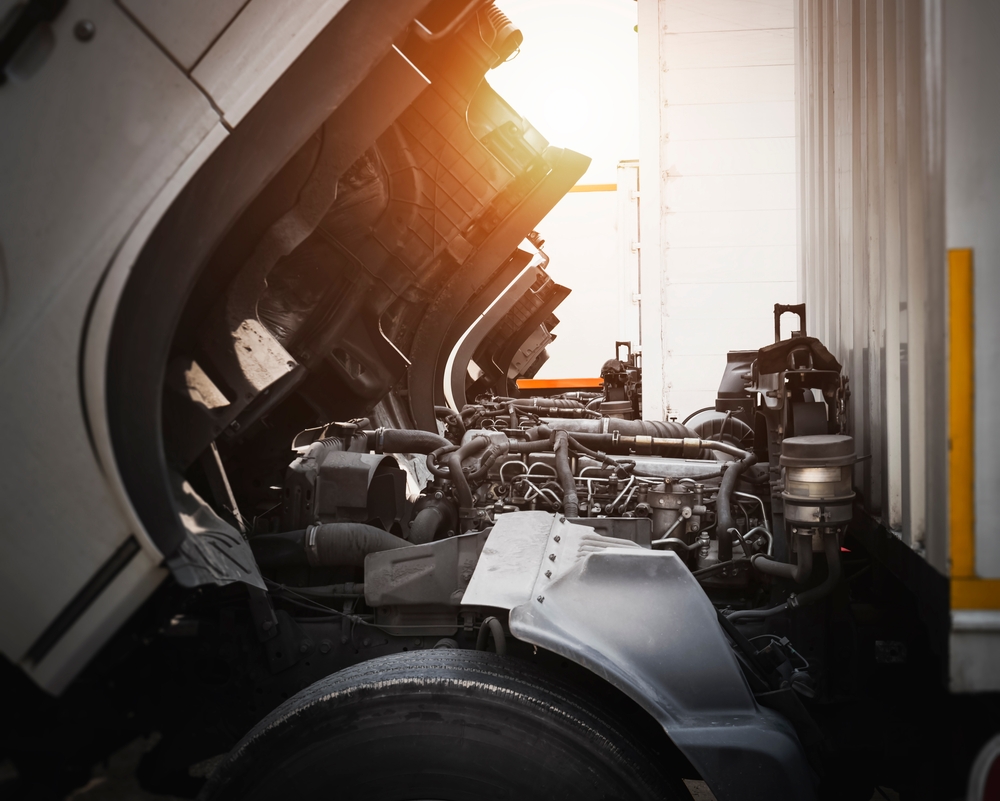
Engine Performance Checks
The engine is the heart of any truck. Ensuring it runs efficiently not only saves money on fuel but also prevents larger, costlier repairs down the line. Look for the following:
Oil Changes: Start the year with fresh engine oil and replace the oil filter to keep components lubricated and reduce wear.
Check for Leaks: Inspect for oil or coolant leaks that could indicate a failing gasket or seal.
Test Engine Performance: Consider a diagnostic test to identify issues like misfires, sensor failures, or low compression levels.
Brake System Inspections
The safety of your truck relies heavily on a fully functioning braking system. Address these components:
Brake Pads and Rotors: Worn-out pads and warped rotors can compromise stopping power. Replace them promptly.
Hydraulic Systems: Inspect brake fluid levels and look for leaks in the hydraulic system.
ABS Functionality: Ensure the Anti-lock Braking System (ABS) is working correctly to prevent skidding and improve control in emergency braking situations.
Transmission Repairs
A faulty transmission can bring your truck to a standstill. At the start of the year, ensure your transmission is operating smoothly:
Fluid Replacement: Old or low transmission fluid can lead to overheating and failure. Replace the fluid as needed.
Check for Slippage: Address any signs of slipping gears, unusual noises, or delays in shifting.
Clutch Maintenance: If your truck has a manual transmission, ensure the clutch components are inspected and replaced if necessary.
Focus on Fuel Efficiency and Emissions
Fuel costs add up quickly, especially if your truck is inefficient. The new year is a perfect time to tackle repairs and upgrades that enhance fuel economy and reduce emissions:
Exhaust System Repairs
A well-maintained exhaust system ensures your truck meets emission standards and operates efficiently:
Inspect for Leaks: Look for cracks or holes in the exhaust system that may lead to noise, harmful emissions, or reduced fuel efficiency.
Replace Catalytic Converters: If your truck’s catalytic converter is clogged or damaged, replacing it can improve performance and reduce emissions.
Air Filters and Fuel Systems
Air Filter Replacement: A clogged air filter can reduce airflow to the engine, causing it to work harder and burn more fuel.
Fuel Injector Cleaning: Dirty or clogged injectors can lead to poor fuel delivery. Regular cleaning ensures optimal combustion and efficiency.
Seasonal Preparations and Weather-Related Repairs
Winter can take a toll on trucks, making it essential to address season-specific repairs. Here are some areas to prioritize:
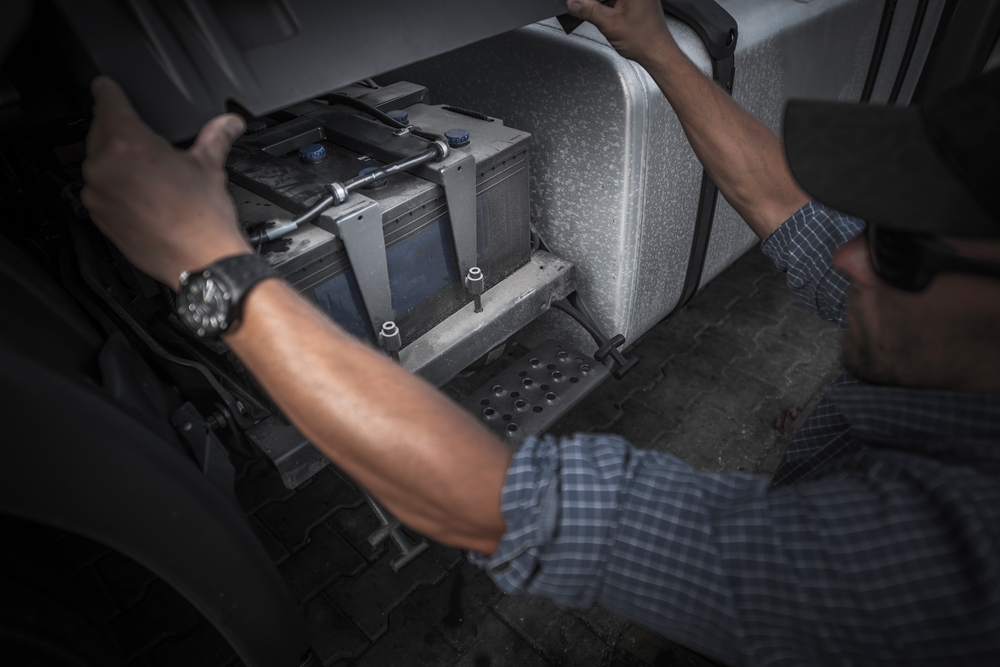
Battery and Electrical System
Cold weather can strain your truck’s battery and electrical system. Start the year by:
Testing Battery Health: Ensure the battery holds a charge and replace it if it’s nearing the end of its lifespan.
Inspecting Alternators and Starters: Faulty components can leave you stranded. Have them checked and repaired as needed.
Tires and Suspension
Winter roads are often hazardous, so it’s crucial to ensure your truck’s tires and suspension are up to the challenge:
Tire Tread and Pressure: Replace tires with worn treads and ensure they are properly inflated for optimal grip and handling.
Wheel Alignments: Misaligned wheels can cause uneven tire wear and affect handling. A quick alignment can save money in the long run.
Shock Absorbers and Struts: These components are critical for maintaining stability and comfort, especially on icy or uneven roads.
Invest in Technology and Upgrades
Modern trucks come equipped with advanced technology designed to improve safety, performance, and efficiency. The new year is an excellent time to consider upgrades and repairs to your truck’s technology:
Onboard Diagnostics and Telematics
Update Diagnostic Systems: Ensure your truck’s onboard diagnostics are functioning correctly to identify and address issues promptly.
Install Telematics: If not already in place, consider telematics systems to monitor vehicle health, driver behavior, and fuel usage.
Safety Features
Upgrade Cameras and Sensors: Replace outdated backup cameras or sensors to improve visibility and safety.
Install Lane-Departure Warnings: This technology helps prevent accidents caused by unintentional drifting on highways.
The Importance of Regular Inspections
Preventive maintenance begins with regular inspections. As you set goals for the new year, consider scheduling:
Quarterly Inspections: Have a professional examine key systems like brakes, suspension, and steering.
Pre-trip Checks: For fleets or daily use, perform pre-trip inspections to identify potential issues before hitting the road.
Partnering with Trusted Professionals
No matter the scope of repairs or upgrades, partnering with a reliable truck repair service ensures quality work. Look for a service provider that offers:
Certified Technicians: Ensure the mechanics are certified to handle specific truck models and systems.
Comprehensive Services: Choose a repair shop that provides everything from engine diagnostics to bodywork.
Transparent Pricing: Avoid surprises with clear and upfront pricing for all services.
Plan for Long-Term Success
Addressing truck repairs at the start of the year is an investment in the safety and efficiency of your operations. By focusing on proactive maintenance, fuel efficiency, seasonal preparations, and technology upgrades, you’ll reduce downtime and costly repairs throughout the year.
The new year is an opportunity to reset and refocus on priorities, including the tools that keep your business or daily routines running smoothly. Start your journey to a successful year with a comprehensive approach to truck repairs and maintenance. Your future self—and your truck—will thank you!
Need Truck Repair Services in Las Vegas, NV?
Here at ERA Truck Repair, we’ve been proudly serving Las Vegas for over 20 years, delivering top-notch service with a commitment to excellence. Whether you need emergency roadside assistance any time of day or repairs during our regular shop hours, our experienced techs and managers are ready to help you get back on track swiftly and affordably. Plus, if you need to keep your load moving, we offer tractor, trailer, and straight truck rentals. Don’t hesitate to reach out to us—let’s keep your business rolling smoothly.
Finding the right commercial truck rental for your business is a crucial decision that can impact your operations, budget, and efficiency. Whether you’re moving goods, transporting equipment, or expanding your fleet, understanding the dos and don’ts of commercial truck rental is essential. In this guide, we’ll break down how to choose the best truck for your needs, avoid common pitfalls, and ensure your rental process is smooth and cost-effective.
Why Renting a Commercial Truck Makes Sense
Renting a commercial truck provides flexibility, convenience, and scalability for businesses of all sizes. Here are some key benefits:
Cost-Effectiveness: Renting allows you to avoid the significant upfront investment of purchasing a truck.
Flexibility: Choose different trucks for specific jobs without being tied to one vehicle.
Maintenance-Free: Rentals often include maintenance, saving you time and money.
Seasonal Demands: Renting is ideal for seasonal or temporary projects without long-term commitments.
Before diving into the options, it’s important to understand the commercial truck rental dos and don’ts to maximize the benefits.
Commercial Truck Rental Dos and Don’ts
Dos
Assess Your Needs: Clearly define what you need the truck for. Consider cargo size, weight, and the distance to be traveled.
Research Rental Companies: Look for reputable companies that specialize in commercial truck rentals. Check their reviews and ratings.
Understand Insurance Coverage: Ensure you have adequate insurance coverage, either through the rental company or your existing policy.
Inspect the Vehicle: Conduct a thorough inspection of the truck before accepting it to avoid unexpected charges later.
Read the Contract Carefully: Pay attention to mileage limits, fuel policies, and any additional fees.
Plan Ahead: Book your rental well in advance, especially during peak seasons.
Don’ts
Don’t Overestimate Your Needs: Renting a larger truck than required can lead to unnecessary expenses.
Don’t Ignore Weight Limits: Overloading a truck can result in fines and damage to the vehicle.
Don’t Skip Comparing Rates: Different rental companies may offer varying rates and terms, so shop around.
Don’t Neglect Documentation: Always keep a copy of the rental agreement and inspection report.
Don’t Forget About Fuel Costs: Be aware of fuel policies to avoid extra charges.
Understanding these dos and don’ts will set the foundation for a successful rental experience. Now, let’s dive deeper into how to choose the right commercial truck rental for your specific needs.
Which Commercial Truck Rental Is Right for You?
Choosing the right truck depends on several factors, including your cargo, distance, and budget. Here are some steps to help you decide:
Evaluate Your Requirements
Cargo Type: Are you transporting perishable goods, heavy equipment, or general cargo? Different trucks are designed for specific purposes.
Capacity Needs: Determine the weight and volume of your cargo to ensure the truck can handle it.
Distance: Long-haul trips may require different trucks than short-distance deliveries.
Understand Truck Types
Here are the most common types of commercial trucks and their uses:
Pickup Trucks: Ideal for small loads and light equipment.
Box Trucks: Great for moving furniture, appliances, or goods.
Flatbed Trucks: Suitable for transporting oversized or irregularly shaped items.
Refrigerated Trucks: Essential for perishable or temperature-sensitive goods.
Dump Trucks: Used for construction materials like sand, gravel, or debris.
Consider Budget Constraints
Set a clear budget for your rental. Factor in the following:
Rental costs per day or week
Mileage fees
Insurance costs
Fuel expenses
Prioritize Safety Features
Safety should never be compromised. Look for trucks with the following features:
Anti-lock braking system (ABS)
Backup cameras
Load stability control
Good tire condition
Match the Truck to Your Business Needs
Understanding your business goals can guide your rental decision. For instance:
Small Businesses: A box truck might suffice for occasional deliveries.
Construction Companies: Flatbeds and dump trucks are essential for transporting materials.
Logistics Providers: Opt for a range of trucks to meet diverse client needs.
Tips for a Smooth Rental Process
Compare Rental Providers
Not all rental companies are created equal. When comparing providers, consider:
Fleet size and availability
Rental terms and flexibility
Customer service ratings
Additional perks like roadside assistance
Book Early
Booking in advance ensures availability and may secure better rates. Peak seasons, such as holidays or summer months, can see higher demand for rentals.
Inspect Before You Rent
Before signing the agreement, inspect the truck for:
Exterior damage (scratches, dents, etc.)
Interior cleanliness
Functionality of lights and brakes
Tire condition
Document any existing issues to avoid disputes later.
Understand the Contract
Pay close attention to these key aspects of the rental agreement:
Mileage limits and penalties
Fuel policies (e.g., full-to-full policy)
Insurance and liability coverage
Cancellation and extension policies
Plan for the Return
Returning the truck on time can save you from additional fees. Refill the fuel tank to the required level and clean the truck to avoid cleaning charges.
Common Mistakes to Avoid
While renting a commercial truck, avoid these common errors:
Underestimating Size Needs: Renting a truck that’s too small can lead to multiple trips and increased costs.
Ignoring Rental Insurance: Not having insurance can leave you liable for damages.
Overlooking Rental Restrictions: Ensure you’re aware of any restrictions, such as interstate travel.
Failing to Test Drive: Always test drive the truck to ensure it meets your expectations.
Maximizing the Value of Your Rental
To get the most out of your rental, follow these tips:
Bundle Rentals: If you need multiple trucks, inquire about discounts for bulk rentals.
Optimize Routes: Plan efficient routes to reduce mileage and fuel consumption.
Train Drivers: Ensure your drivers are familiar with the vehicle type for safe and efficient operation.
Regular Check-Ins: During the rental period, inspect the truck to identify and address any issues promptly.
The Future of Commercial Truck Rentals
The commercial truck rental industry is evolving with technology. Features like telematics, GPS tracking, and eco-friendly vehicles are becoming more common. Keep an eye out for providers that offer these innovations to enhance your experience.
Conclusion
Choosing the right commercial truck rental requires careful consideration of your business needs, budget, and the type of truck that fits your purpose. By following the commercial truck rental dos and don’ts, you can avoid common pitfalls and make an informed decision.Remember to evaluate your requirements, compare providers, and thoroughly inspect the truck before renting. With these steps, you’ll be well-equipped to select the perfect rental and keep your business operations running smoothly.
Need Truck Rental Services in Las Vegas, NV?
Here at ERA Truck Repair, we’ve been proudly serving Las Vegas for over 20 years, delivering top-notch service with a commitment to excellence. Whether you need emergency roadside assistance any time of day or repairs during our regular shop hours, our experienced techs and managers are ready to help you get back on track swiftly and affordably. Plus, if you need to keep your load moving, we offer tractor, trailer, and straight truck rentals. Don’t hesitate to reach out to us—let’s keep your business rolling smoothly.
Taking care of your vehicle goes beyond just filling up the gas tank and driving safely. Proper preventative measures and maintenance ensure that your vehicle performs at its best, lasts longer, and operates safely. Whether you’re a new car owner or a seasoned driver, understanding the importance of regular truck maintenance, including proper tire inspection and rotation, is critical to your vehicle’s health.
The Importance of Preventative Maintenance
Preventative maintenance is the proactive approach to caring for your vehicle before issues arise. Regularly scheduled maintenance can prevent costly repairs, extend the life of your car, and enhance its safety and efficiency.
Benefits of Preventative Maintenance
Cost Savings: Routine maintenance can help identify and fix small issues before they escalate into expensive repairs.
Increased Safety: Properly maintained vehicles are less likely to break down or cause accidents.
Extended Vehicle Lifespan: Regular care ensures that key components like the engine, brakes, and tires last longer.
Improved Performance: A well-maintained vehicle runs more smoothly and efficiently.
Common Preventative Maintenance Tasks
Key maintenance tasks include:
Oil changes
Brake inspections
Fluid level checks
Proper tire inspection and rotation
Replacing worn-out parts, such as filters and wiper blades
Each of these tasks is vital to keeping your vehicle in optimal condition, but one of the most overlooked yet critical areas is tire maintenance.
Proper Tire Inspection and Rotation
Tires are your vehicle’s direct connection to the road. Ensuring their proper condition is essential for safe and efficient driving. Let’s dive deeper into why tire inspection and rotation are so vital.
Why Tire Inspection is Necessary
Proper tire inspection can prevent accidents and extend the life of your tires. Here’s what to look for:
Tread Depth: Insufficient tread can lead to reduced traction, especially in wet or icy conditions.
Tire Pressure: Incorrect tire pressure affects fuel efficiency, handling, and the likelihood of a blowout.
Visible Damage: Look for cuts, cracks, or bulges that might compromise tire integrity.
Uneven Wear: This can indicate alignment or suspension issues that need addressing.
Conducting regular inspections ensures that your tires are safe and road-ready, reducing the chances of sudden failures.
The Role of Tire Rotation
Tire rotation is the process of changing the position of your tires to promote even wear. Since the weight distribution of your vehicle can cause uneven tire wear, rotation balances the load across all tires.
Benefits of Tire Rotation
Prolonged Tire Life: Rotating your tires regularly ensures even wear, making them last longer.
Enhanced Safety: Properly rotated tires maintain consistent performance, reducing the risk of accidents.
Improved Fuel Efficiency: Evenly worn tires offer better fuel economy by reducing rolling resistance.
Cost Efficiency: Maximizing tire lifespan saves money in the long run by delaying the need for replacements.
When to Rotate Your Tires
Most manufacturers recommend rotating tires every 5,000 to 8,000 miles or during every other oil change. Consult your vehicle’s owner’s manual for specific guidelines.
Comprehensive Inspections for Early Issue Detection
Comprehensive vehicle inspections go beyond tires, encompassing all major systems to catch potential problems early. Identifying issues before they become severe can save time, money, and stress.
What a Comprehensive Inspection Covers
A thorough inspection evaluates:
Engine Performance: Checking for unusual sounds, leaks, and overall performance.
Brakes: Examining brake pads, rotors, and fluid levels to ensure safe stopping power.
Suspension and Steering: Ensuring smooth handling and control.
Electrical Systems: Testing the battery, lights, and other electrical components.
Fluids: Inspecting and topping off engine oil, coolant, transmission fluid, and more.
The Value of Early Detection
Catching issues early prevents them from escalating into costly and dangerous problems. For example:
Replacing worn brake pads before they damage rotors
Addressing alignment issues to avoid uneven tire wear
Fixing fluid leaks to prevent engine damage
Routine inspections are an essential aspect of preventative maintenance and contribute to overall vehicle health.
DIY Maintenance vs. Professional Services
While some vehicle maintenance tasks are easy to perform at home, others require the expertise of a professional mechanic.
Tasks You Can Handle Yourself
Checking tire pressure
Inspecting fluid levels
Replacing air filters and wiper blades
Cleaning your car’s interior and exterior
When to Seek Professional Help
For more complex tasks like brake repairs, tire rotations, and comprehensive inspections, it’s best to visit a trusted mechanic. Professionals have the tools and knowledge to diagnose and fix issues accurately.
Building a Maintenance Schedule
Consistency is key to effective vehicle care. Establishing a maintenance schedule ensures that you stay on top of necessary tasks.
Creating Your Schedule
Follow the Owner’s Manual: Your vehicle’s manual contains detailed maintenance recommendations based on mileage and time.
Set Reminders: Use a calendar or smartphone app to schedule maintenance tasks.
Track Records: Keep a log of completed maintenance to stay organized and informed.
Adapting for Driving Conditions
Your maintenance needs may vary based on driving conditions. For example:
Frequent short trips require more frequent oil changes.
Off-road driving demands regular inspections of suspension and tires.
Extreme temperatures can accelerate wear and tear, requiring additional attention.
Choosing the Right Maintenance Products
Using high-quality products and parts ensures the effectiveness of your maintenance efforts.
Tires
Invest in reputable tire brands and maintain proper inflation levels using a reliable pressure gauge.
Fluids
Use manufacturer-recommended oils, coolants, and other fluids for optimal performance.
Tools
Equip yourself with basic tools like a tire pressure gauge, jack, and wrenches for DIY tasks.
The Role of Technology in Maintenance
Modern vehicles come equipped with technology that aids in maintenance.
Built-In Alerts
Many cars now feature systems that alert you to maintenance needs, such as low tire pressure or oil change reminders.
Maintenance Apps
Smartphone apps can help track your vehicle’s maintenance schedule, store service records, and even locate trusted mechanics.
Conclusion
Proper preventative measures and maintenance are crucial for vehicle safety, longevity, and performance. Regular tasks such as proper tire inspection and rotation, comprehensive inspections, and following a consistent schedule are essential steps in this process. By staying proactive and using quality products, you’ll ensure that your vehicle remains a reliable and efficient mode of transportation for years to come. Don’t overlook the value of preventative care—it’s an investment in your safety and peace of mind.
Need Trailer Repair Services in Las Vegas, NV?
Here at ERA Truck Repair, we’ve been proudly serving Las Vegas for over 20 years, delivering top-notch service with a commitment to excellence. Whether you need emergency roadside assistance any time of day or repairs during our regular shop hours, our experienced techs and managers are ready to help you get back on track swiftly and affordably. Plus, if you need to keep your load moving, we offer tractor, trailer, and straight truck rentals. Don’t hesitate to reach out to us—let’s keep your business rolling smoothly.
Truck engines are the heart of any heavy-duty vehicle, and ensuring their longevity is crucial for both safety and cost-effectiveness. Proper maintenance and care can extend your truck engine’s lifespan by years, saving you from frequent truck repair and trailer repair costs. In this guide, we will explore practical strategies and best practices to keep your truck engine running smoothly for as long as possible.
The Importance of Regular Maintenance
Regular maintenance is the key to prolonging the lifespan of any engine. For truck engines, which endure extensive use and heavy loads, maintenance is even more critical. Neglecting routine checks and services can lead to serious issues, causing unnecessary truck repair and trailer repair expenses. Here are the essential aspects of regular maintenance:
1. Consistent Oil Changes
Oil is the lifeblood of your truck engine. It lubricates the moving parts, reducing friction and wear. Over time, engine oil can break down and become contaminated with debris, which can lead to engine damage. To avoid this, follow the manufacturer’s recommended oil change intervals. Regular oil changes ensure that your engine remains well-lubricated, clean, and efficient.
2. Monitor Coolant Levels
Coolant prevents your engine from overheating by dissipating heat. Without sufficient coolant, your engine could overheat, leading to significant damage. Regularly check your coolant levels and top up as necessary. It’s also important to flush and replace the coolant according to the manufacturer’s guidelines to prevent corrosion and blockages in the cooling system.
3. Air Filter Replacement
Air filters keep dust, dirt, and other contaminants from entering the engine. A clogged air filter restricts airflow, reducing engine performance and increasing fuel consumption. Inspect your air filter regularly and replace it as needed. In dusty or harsh environments, you may need to replace the air filter more frequently.
4. Fuel Filter Maintenance
Fuel filters prevent impurities in the fuel from reaching the engine. Over time, these filters can become clogged, restricting fuel flow and causing the engine to run poorly. Regularly replace your fuel filters to ensure your engine receives clean fuel, which is crucial for optimal performance.
The Role of Driving Habits in Engine Longevity
Your driving habits have a direct impact on the lifespan of your truck engine. Certain behaviors can cause unnecessary wear and tear, leading to premature truck repair and trailer repair. Here are some driving practices that can help prolong your engine’s life:
1. Avoid Excessive Idling
Idling for extended periods can lead to increased engine wear and wasted fuel. While some idling is unavoidable, it’s best to minimize it whenever possible. Turning off your engine during long stops can help reduce unnecessary strain on your engine.
2. Gradual Acceleration and Deceleration
Sudden acceleration and braking put extra stress on your engine and transmission. Instead, practice smooth and gradual acceleration and deceleration. This not only reduces wear on your engine but also improves fuel efficiency.
3. Warm-Up the Engine
Before hitting the road, especially in cold weather, allow your engine a few minutes to warm up. This helps the oil circulate properly and lubricate all moving parts, reducing the risk of engine damage during initial operation.
4. Avoid Overloading
Overloading your truck puts excessive strain on the engine, transmission, and brakes. Always adhere to the manufacturer’s recommended load limits. Overloading not only shortens the lifespan of your engine but also increases the likelihood of accidents and breakdowns, leading to costly truck repair and trailer repair.
The Importance of Using Quality Parts and Fluids
The quality of the parts and fluids you use in your truck has a significant impact on engine longevity. While it may be tempting to save money by opting for cheaper alternatives, doing so can lead to more frequent and expensive truck repair and trailer repair down the line.
1. Genuine OEM Parts
When replacing engine components, always choose genuine Original Equipment Manufacturer (OEM) parts. These parts are designed specifically for your truck and meet the manufacturer’s strict quality standards. Using OEM parts ensures a proper fit and reliable performance, reducing the risk of engine problems.
2. High-Quality Oil and Fluids
Using high-quality oil and fluids is essential for maintaining engine health. Inferior oils and fluids may not provide adequate lubrication or protection, leading to increased wear and the potential for engine failure. Always use the fluids recommended by the manufacturer, and avoid mixing different types of fluids.
3. Regular Inspection of Belts and Hoses
Belts and hoses play a vital role in the proper functioning of your engine. Worn or damaged belts can snap, leading to engine overheating or loss of power. Similarly, cracked or leaking hoses can cause coolant or oil leaks, resulting in engine damage. Regularly inspect these components and replace them at the first sign of wear.
The Impact of Environmental Factors on Engine Life
Environmental conditions can have a significant effect on your truck engine’s lifespan. Extreme temperatures, dust, and moisture can all contribute to engine wear and tear, increasing the need for truck repair and trailer repair.
1. Cold Weather Considerations
In cold weather, engine oil can thicken, making it harder for the engine to start and increasing wear on the starter and battery. To mitigate this, use engine block heaters in extremely cold conditions to keep the engine warm when it’s not in use. Additionally, consider using synthetic oil, which performs better in low temperatures.
2. Hot Weather Precautions
High temperatures can cause engine overheating, especially if the cooling system is not functioning optimally. Ensure that your cooling system is in good working order, and monitor coolant levels closely during hot weather. Regularly check for signs of overheating, such as steam from the engine or an unusually high temperature gauge reading.
3. Protecting Against Dust and Debris
If you operate your truck in dusty or sandy environments, your engine is at greater risk of contamination. Regularly inspect and clean your air filters, and consider using heavy-duty air filters designed for harsh conditions. Keeping your engine clean and free of debris can prevent clogs and other issues that could lead to engine damage.
The Benefits of Professional Inspections and Diagnostics
While regular maintenance and good driving habits are crucial, professional inspections and diagnostics can catch potential issues before they become major problems. Partnering with a reliable truck repair and trailer repair service can provide the expertise needed to keep your engine in top condition.
1. Comprehensive Engine Diagnostics
Modern trucks are equipped with advanced diagnostic systems that can detect engine problems early. Regular diagnostics by a professional technician can identify issues such as misfires, fuel injection problems, or sensor malfunctions before they cause significant damage. Addressing these issues promptly can prevent costly repairs and extend the life of your engine.
2. Scheduled Maintenance Services
Adhering to a scheduled maintenance plan provided by your truck manufacturer or repair service ensures that all essential services are performed at the right intervals. These services may include oil changes, filter replacements, fluid checks, and more. Following a maintenance schedule helps keep your engine running smoothly and prevents unexpected breakdowns.
3. Professional Tune-Ups
A professional engine tune-up involves adjusting and replacing various components to ensure optimal performance. This may include adjusting the timing, replacing spark plugs, and cleaning fuel injectors. Regular tune-ups can improve fuel efficiency, reduce emissions, and extend the life of your engine.
Investing in Your Truck’s Future
Prolonging the lifespan of your truck engine is not just about avoiding the inconvenience and cost of frequent truck repair and trailer repair. It’s about maximizing the return on your investment in your vehicle and ensuring its reliability on the road. By following the maintenance tips outlined in this guide, adopting good driving habits, using quality parts and fluids, and seeking professional assistance when needed, you can significantly extend the life of your truck engine.
Remember, the effort you put into caring for your truck engine today will pay off in the long run, keeping your vehicle running smoothly and efficiently for years to come. Prioritize maintenance, be mindful of your driving habits, and trust in professional services to protect your engine and, by extension, your livelihood.
Need Truck Repair Services in Las Vegas, NV?
Here at ERA Truck Repair, we’ve been proudly serving Las Vegas for over 20 years, delivering top-notch service with a commitment to excellence. Whether you need emergency roadside assistance any time of day or repairs during our regular shop hours, our experienced techs and managers are ready to help you get back on track swiftly and affordably. Plus, if you need to keep your load moving, we offer tractor, trailer, and straight truck rentals. Don’t hesitate to reach out to us—let’s keep your business rolling smoothly.